Tuesday, 1 March 2016

MIND DE-CODER 62


To listen to the show just scroll to the bottom of the page

"The function of government is to get everyone high and feeling good."
                                                                                                          Timothy Leary

TIMOTHY LEARY     YOU CAN BE ANYONE THIS TIME AROUND


This is the title track to Leary’s 1970 album, released in a bid to raise funds for his campaign against Ronald Reagan for the governorship of California. I’m assuming he lost. Can you imagine how differently the world might be had he won? It boggles the mind, which is pretty much the effect that he, or his producer Alan Douglas, were aiming for, combining cut ‘n’paste technology with entirely uncredited samples from such luminaries as The Beatles, Ravi Shankar and The Rolling Stones over a stream of consciousness rap from Leary while Jimi Hendrix, Stephen Stills and Buddy Miles jam in the background. Should have been a revolutionary call to arms but everyone got high instead. A mind-expanding eye-opener nevertheless.

PAULINE OLIVEROS     BEAUTIFUL SOOP (excerpt)


I’ve been reading and very much enjoying Rob Chapman’s book PSYCHEDELIA AND OTHER COLOURS recently. In it he notes that avant-garde and psychedelic musicians briefly crossed paths around 1966 but instead of joining creative forces in order to blow people’s minds, they remained merely on nodding terms with each other and more or less went their separate ways – a lost opportunity if there ever was one. So I’ve been reading about musical pioneers in the avant-garde and came across Pauline Oliveros, one of the more important figures and pioneers in the electronic and contemporary music field. She was professor at the University at San Diego for 14 years and is currently Distinguished Research Professor of Music at Rensselaer Polytechnic Institute and Darius Milhaud Composer in Residence at Mills College. She produced Beautiful Soop in 1966 and, like many psychedelic musicians of the day, shared a fascination with childhood and Edwardian nursery tales - and Alice in Wonderland in particular - which she incorporates into the piece with the use of tape-delays, echoes and accumulative modulations, mixed with surrealistic and often humorous electronic sounds - a style, it turns out, she’s specifically known for. It remained unreleased until 1997 when it was included on the album ALIEN BOG/BEAUTIFUL SOOP, a showcase of her work as director of the Tape Music Centre at Mills College in the 60’s, in which also seems to have invented hauntology, or at the very least, the Moon Wiring Club, too (just listen to the Moon Wiring Club later on in the show to see what I mean). Rather than play the whole piece I’ve dipped into it throughout the show, drifting in and out of consciousness like the memory of a lost childhood daydream.

KING GIZZARD AND THE LIZARD WIZARD     WORK THIS TIME


King Gizzard and the Lizard Wizard may have got a lot better than they ever expected to ever so quickly and may, at some point, start to regret the name. Or maybe not. You never can tell, and I certainly can’t. Work This Time is from their 2014 release ODDMENTS, an album on which they retreat from their earlier full-on fuzz wall of sound and begin to realise that there are adventurous diversions to be found in exploring some of the more soulful by-ways of the musical landscape, as it were. Work This Time is particularly lovely, I think, and hints at the sort of sound they’re discovering on their most recent release. Mind you, that being said, they manage to completely change direction with every record they make – making them pretty much my favourite band around at chez Mind De-Coder these days.

FRANK ZAPPA     HAD A DREAM ABOUT THAT
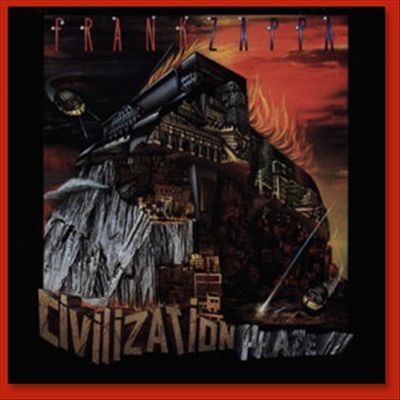

So my own musical explorations into the avant garde made mention of Frank Zappa’s final release CIVILIZATION PHAZE III, released just before his death in 1994. On it Zappa returns to recordings made for earlier musique concrète recordings such as 1968’s LUMPY GRAVY, in which he had studio visitors record snatches of conversation with their heads inside a grand piano (with the sustain pedal depressed, it apparently made quite a resonating sound). This sort of thing happened quite a lot in the Zappa studios, I imagine, but having had a good think about it for a good 30 years or so, he began to compile left-over recordings into some kind of opera/pantomime narrative based upon the themes of personal isolation and nationalism that finally saw release as a double album. The two women discussing dreams in this piece sound like a couple from the groupie supergroup the G.T.O.’s caught in an unguarded moment, as Zappa was wont to do during the recording of their only album. I’ve never been sure about Zappa but in the spirit of the avant-garde use tracks from the album throughout the show.

BALDUIN     PRISMA COLORA


A lovely instrumental piece from effervescent Swiss multi-instrumentalist Balduin who channels the spirit of HORIZONTAL-period Bee Gees albums, Kevin Ayers, Syd Barrett and the Rainbow Ffolly onto his debut album ALL IN A DREAM, released in 2014.

SADDAR BAZAAR     TONES AND WAVES


The spirit of the Spacemen 3 is strong in this one, which comes as something of a surprise because, otherwise, Bristol-based Eastern-psychedelic quartet Saddar Bazaar do a very fine line in your traditional Arabesque music where your more familiar Eastern instruments such as your sitars and tablas sit comfortably alongside the less well-known dholaks, kubings, agouls, and duffs and tablas, which Saddar Bazaar combine with conventional Western instruments to produce a haunting hybrid of transcendental ragas and psyched-out slide guitar. And drones, I guess. Tones and Waves is taken from the group’s 2nd album PATH OF THE ROSE, released in 1999. While that’s playing I include a couple of extra spoken word tracks from Frank Zappa – namely Oh-Umm and Waffenspiel.

SKIP SPENCE     WAR IN PEACE


I’m something of a late-comer to Skip Spence’s only album OAR – I had a friend who tried to introduce me to it some 15 or so years ago (Hi, Phil!) but I didn’t get it at all. Recently, however, I’ve been returning to it more and more. Skip Spence, of course, was Jefferson Airplane’s first drummer before moving onto his own band, Moby Grape. His only solo release in 1969 has an understated ethereal acid folk vibe to it, often beautiful in parts, but most often heralded as a soundtrack to schizophrenia and/or a visionary solo effort. Often described as "one of the most harrowing documents of pain and confusion ever made", the album was recorded after Spence had spent six months in Bellevue Hospital following a delusion-driven attempt to attack Moby Grape bandmates Don Stevenson and Jerry Miller with a fire axe. Now, Moby Grape, there’s a band I still stubbornly refuse to get.

PAULINE OLIVEROS     BEAUTIFUL SOOP (excerpt)

THE THIRD BARDO     RAINBOW LIFE


The Third Bardo existed just long enough to enjoy only the one recording session, which yielded six tracks in all, including one killer single, I’m Five Years Ahead Of My Time, released in 1967, which, with its use of Eastern melody and distorted guitars, bridged the transitional moment between garage rock and psychedelia, and it’s b-side, the swirling Rainbow Life, which took the group even further down the rabbit hole.  Those two tracks and the remaining four were finally released as an EP in 2000 and that was their lot.

THE BEE GEES     EVERY CHRISTIAN LION HEARTED MAN WILL SHOW YOU 

   
Baroque-pop splendour from The Bee Gees, featuring a Gregorian chant backed by a mellotron that places the record somewhere between Strawberry Fields and almost anything The Moody Blues were up to at the same time. This marvellously switched on oddity appears on their 1967 album THE BEE GEES’ 1st, which was, in fact, their third album, but the first to be recorded and released in England.

THE ROLLING STONES     DANDELION


This is the b-side to 1967’S We Love You and shows the Stones tip-toeing around the groovy psychedelic goings on that would become THEIR SATANIC MAJESTIES REQUEST. Like We Love You, it features John and Paul on backing vocals and was one of their few tracks that really flirted with that whole summer of love vibe so prevalent in 1967 (which they more or less missed, what with Mick and Keith being in prison and all). I understand that Keith Richard named his first daughter after the song – although she's since decided to go by her middle name, Angela, instead.

THE JIMI HENDRIX EXPERIENCE     BURNING OF THE MIDNIGHT LAMP


Paisley-coloured pop from Jimi Hendrix who even tries his hand at the harpsichord for this one. Recorded and released in 1967 this was the Jimi Hendrix Experience’s fourth single and the first that includes his use of the wah-wah pedal. I think this was added to ELECTRIC LADYLAND, which came out the following year, but as a single this is the perfect psychedelic pop statement.

THE TELESCOPES   YOU SET MY SOUL


I was always a fan of The Telescopes slightly delirious take on psychedelia so I was delighted when the wonderful Cherry Red label scooped up all the band’s Creation EPs and released them with a handful of bonus tracks and their only Creation album #UNTITLED SECOND (or, THE TELESCOPES if you bought it first time round in 1992) on a double CD compilation called SPLASHDOWN released last year. If the EPs effectively demonstrate exactly how psychedelic music sounds while listened to on LSD and just a soupçon of DMT (listening to All A Dreams from the CELESTE EP, for example, you can almost see the notes shimmer, come apart and disintegrate into a lysergic cluster of sound particles drifting away) then the album starts out as an abstract obsession with warmth and gets stranger from there, introducing a jazz-like, free flowing, incense smudged psychedelia to the mix that, for the most part, enjoys an altogether more reflective feel to it than suggested by the EPs (although they wig out too). Anyway, it’s marvellous, despite the fact that that version of the band split up before the record even reached the shelves. Cherry Red are surely making a name for themselves as one of the finest record labels around with some excellently curated re-releases. Their DUST ON THE NETTLES: AJOURNEY THROUGH THE BRITISH FOLK UNDERGROUND SCENE 1968-1972, was one of my prized Christmas presents from a family that clearly knows what daddy likes.

PAULINE OLIVEROS     BEAUTIFUL SOOP (excerpt)

MOON WIRING CLUB     WARDROBE FOR ALL SEASONS/MUNGO AND SHODDY/
                                                SARTORIAL RE-ANIMATION/CHIFFON AND SINGED HAIR/
         HAYWIRE ASSISTANTS


You can see how far ahead of the game Pauline Oliveros was when you realise you can’t tell when her excerpt ends and the Moon Wiring Club begins. That being said, I’m so taken by PLAYCLOTHES FROM FARAWAY PLACES, the most recent release from Moon Wiring Club I pieced together five tracks in order to recreate the sounds I hear in my head as I nod off to sleep. This is the sound from which dreams are made, especially if you’d happened to have dozed off at a Jacobean catwalk fashion show.

BEAUTIFY JUNKYARDS     PES NA AREIA NA TERRA DO SOL


Acid-folk loveliness from Lisbon’s Beautify Junkyards, who bring a distinctly hauntological feel to the mix. In fact, this track is absolutely spell-binding – an ethereal, magical and transcendent experience that combines the shimmering quirkiness of Os Mutantes with the beautifully bucolic and dreamily spaced out noise-fields made by Broadcast. It’s taken from their 2015 release THE BEAST SHOUTED LOVE. Exquisite.


IN GOWAN RING     JULIA WILLOW


You know where you are in your acid folk circles when you come across a track called Julia Willow – it will doubtless be a sublime thing of pastoral beauty, adorned with reflective, gentle rustic moments and otherwise shimmer with all the tremulous beauty of a misty woodland glade discovered at dawn. And that’s pretty much what you get with this track, taken from album THE SERPENT AND THE DOVE, the first released under the In Gowan Ring banner in 13 years. In Gowan Ring is the name under which the psychedelic troubadour B’ee, better known as B’eirth (or indeed, Bobin John Michael Eirth to his mum), creates his bucolic psych folk releases, and THE SERPENT AND THE DOVE, released last year, is the perfect marriage of psychedelic folk with a sensibility firmly placed in the middle ages.

This is what B’ee himself has to say about it:

The Serpent and the Dove recounts an alchemical journey through a luminous garden around the Living Tree; there is a serpent… and a dove. A candle flame flickers in the night, illuminating the face of a wandering sage sitting by a stream. He sings a story about a cosmic dancer which he’d heard whispered through the reeds: her rainbow eyes, her bowl of tea, and a field of dreams out of which grew the universe and all that we can see… There are willows; there are masks of leaves; there are thousands of bees.
Which pretty much tells you all you need to know, really.

EPIC45     WEATHERING (excerpt)


Epic45 are two childhood school friends who make hazy electro-acoustic evocations of the English pastoral in the manner of Mogwai trying to sound like The Durutti Column by way of Talk Talk, if you know what I mean. Weathering is the title track of their 2011 release, their fifth together, and focuses on the decline of real village life in their region, as former rural communities become dormitories for commuters and struggle to maintain their unique identities. There is a sense of loss and nostalgia throughout the album that has the sepia-tinted wash of hauntology about it with the use of some cleverly applied cassette tape noises managing to make music that sounds like memories.

PAULINE OLIVEROS     BEAUTIFUL SOOP (excerpt)

CAVERN OF ANTI-MATTER     PULSING RIVER VELVET PHASE


Since the demise, or possible hiatus, of his previous group Stereolab, Tim Gane has moved Berlin to focus his attention on Cavern Of Anti-Matter alongside the splendidly named Holger Zapf and former Stereolab drummer Joe Dilworth. Between them they explore the possibilities of aerial ambiance and your motorik kosmiche trajectories. Gane describes the band as confirmed spectrum addicts, setting up tiny rhythmic cells and expanding on them in certain ways, splitting the melody and stretching out time. Pulsing River Velvet Phase, a beautifully evolving melodic piece for guitar and synths, is one of two tracks they recorded especially for Ghost Box record label’s OTHER VOICES series of limited 7 " vinyl releases last year. It’s not actually unlike an early Stereolab single, minus Laetitia Sadier’s understated Gallic vocals, but this is a five minute epic that blossoms organically as it joyfully shifts mood and time signatures.

COUNTRY JOE AND THE FISH     JANIS


It’s a lovely track this, written by Country Joe McDonald to his ex-girlfriend, Janis Joplin. It’s by no means the psychedelic stand-out on their 1967 release FEELS LIKE I’M FIXIN’ TO DIE, but it is the sweetest. Being’s as this is a place I often go to when kaleidoscopically engaged, as it were, I thought it would be nice to include it...

FUSCHIA     ME AND MY KITE


…especially as any conflicting emotions it brings up are resolved so pleasantly in this gorgeously reassuring little track from the short-lived Fuschia. Me And My Kite is taken from the band’s eponymously titled album, released in 1971. At the time nobody quite knew what to make of the folk-prog-pop-ish songs whose progressions were unconventional enough that you never quite knew where they were going. They were let down by advertising (one ad in the Melody Maker) and a manager who failed to organize a tour, so their only album was also their last, but, as is often the case, the album took on a life of its own until finally band leader Andy Durant, now living in Australia, learned of the popularity of the album among collectors of your lost acid folk artefacts, not to mention the number the unlicensed re-pressings of his record that had been made in the meantime. Using his original master tapes he digitally remastered the album which was re-released in 2005 to the sort of reviews that regularly made use of the terms “lost masterpiece of art-rock-folk stylings” in the write-up. I understand that there’s a Fuschia II featuring Andy Durant, still based in Australia, who recently released an album called FROM PSYCHEDELIA…TO A DISTANT PLACE in 2013.

COSMIC NEIGHBOURHOOD     ELF DOOR


Now this is interesting - Cosmic Neighbourhood is the brainchild of Bristol-based illustrator and musician Adam Higton. Elf Door is the opening track from his debut album COLLAGES 1, where each song acts as a response to his fanciful scissor and paper abstractions. Released last year, the album arranges fluttery modular synths, petered drum machine beats, flutes, bells and bizarre samples which document the daily goings-on of 'the forest folk within the realm of the Cosmic Neighbourhood.' Sonically speaking, of course, we’re in hauntological territory, the sounds conjuring up lost images of childhood, before colouring them all with the amber glow of some forgotten, psychedelic kids' TV programme. Higton's benign toots and echoing jingles bring to mind Daphne Oram's early delay experiments or the meandering playfulness of Tom Cameron. Radiophonic and time-worn, it still somehow sounds like the future.

ME AND MY KITES     COMMON LIFE


Sweden’s Me and My Kites are such fans of Fuschia’s album they named themselves after its most whimsical track. On last year’s album IS IT REAL OR IS IT MADE, however, they strip back much of the psychedelia of their debut in favour of a more progressive, indefinable sound which owes more to the prog-folk harmonies of Mellow Candle or the Canterbury sound. There is a recording between the band and Andy Durant on the Fruits De Mer record label that I’m in the process of tracking down, but I really do feel that I’ve found a new favourite band here. Closer, Common Life, is absolutely superb, a wistful 10 minute trip that conjures up pictures of pristine landscapes, church graveyards, water meadows in the mist before dawn and somewhere astral, just on the other side of the Aurora Borealis, perhaps. Marvellous.

And that was Mind De-Coder 62.

Facebook


Tuesday, 9 February 2016

MIND DE-CODER 61


“You’re either on the bus, or off the bus”
                                                                Tom Wolfe

KARLHEINZ STOCKHAUSEN     REGIONEN I UND II


I’m going to be honest here and say right off I’m not entirely sure whether what I’m playing in this instance has a title as such. This is the opening few moments from Stockhausen’s legendary electronic and musique concrète work HYMNEN, an avant garde piece created between 1967 and 1968 in which the composer integrates a wide variety of national anthems and transforms them electronically into a blistering collage of feed-back and radiophonic squalls. The four parts, or regions as Stockhausen calls them, play for over two hours, and is something of a demanding listen, so I’ve cherry-picked parts here and there and slipped them in throughout the show. Karlheinz Stockhausen, of course, was widely regarded as one of the great visionaries of 20th-century music, known for his pioneering work in electronic music, aleatory (controlled chance) in serial composition, and musical spatialization whose vision, despite being largely unlistenable (let’s face it) very much changed our view of musical time and form, influencing the likes of Miles Davis, Frank Zappa, Brian Eno, Pink Floyd, and The Beatles, of course (I’m thinking of A Day In The Life, Tomorrow Never Knows and Revolution 9 here, just for starters) who included him on the cover of Sgt Pepper’s.

TIMOTHY LEARY   WHAT DO YOU TURN ON WHEN YOU TURN ON


A fairly mind-bending track this, on which Leary emulates the distorted, disorienting dissociative effects of LSD in a highly charged musical stylee. It was produced Alan Douglas (who later curated the Hendrix estate and controversially put Hendrix's studio jams over the top of other musicians to create albums after Jimi's death) for the album YOU CAN BE ANYONE THIS TIME AROUND, released in 1970, in an attempt to raise funds for Leary's political candidacy for Governor of California. On it you hear three "raps" by Leary backed with music provided by the likes of Hendrix and Stephen Stills who recorded the music for the album’s longest track, Live And Let Live during an all-night jam session in which the band spectacularly fail to gel and are actually surprisingly boring. This track, however, features samples of music by other artists, including The Beatles, The Rolling Stones, and Ravi Shankar and is one of the earliest known examples of sampling on a commercial record. It is an absolute trip unto itself and highly recommended for any plans you may have in that direction yourself. 


 KING GIZZARD AND THE WIZARD LIZARD    I’M IN YOUR MIND/I’M NOT IN YOUR MIND/
                                                                             CELLOPHANE/I’M IN YOUR MIND FUZZ


For the opener of their fifth album, I’M IN YOUR MIND FUZZ, released 2014, Melbourne’s King Gizzard and the Wizard Lizard count to three and then they’re off, throwing together a deranged psych-rock odyssey of warped acid-soaked guitars and unrelenting garage rock bass lines all whooshing into each other in a joyous surge of phase-shifting exaggerated riffage, tape shifts and pounding many-armed percussion that warps into an irresistible head-rush carrying you through the first four songs of the record - I'm In Your Mind, I'm Not In Your Mind, leading single Cellophane, and I'm In Your Mind Fuzz - in the blink of a third eye. Loads of fun.

DR COSMO’S TAPE LAB     (THEME FROM) COCONUT SUMMER


(Theme From) Coconut Summer is perhaps strangest track on an album that treats psychedelia as a lysergic toybox full of ukuleles, bongos, toy xylophones, steel guitars and Casiotone keyboards and SMiLE flavoured melodies. In fact, Dr Cosmo’s Tape Lab’s second album of 2015, COCONUT SUMMER DROP-IN 432, channels the spirit of Brian Wilson and Van Dyke Parks creating exotica flavoured fun tunes from a home studio in rain-soaked Glasgow. Marvellous.

DAVE DEE, DOZY. BEAKY, MITCH AND TICH     THE SUN GOES DOWN


I’d always assumed that Dave Dee, Dozy, Beaky, Mitch and Tich lived and died with the fairly wonderful Legend Of Xanadu but it turns out that between 1965 and 1969, the group spent more weeks in the UK Singles Chart than the Beatles, although I’d be hard-pressed to name another track by them. The very trippy The Sun Goes Down is the b-side to their 1967 release Zabadak! Which appears to have been a hit around the world. Perhaps it’s time to track down a ‘Best Of’ album.

THE YARDBIRDS     FAREWELL


A seemingly slight little ditty but none the less pleasant for all that. This track closes side 1 of their only UK album ROGER THE ENGINEER, released in 1966 (strictly speaking the album was simply called YARDBIRDS but has forever been known by the more colourful title following band member Chris Dreja’s cartoon rendition of the album’s studio technician Roger Cameron). It’s an interesting album but not a great album, partly because the band’s reluctance to leave their blues roots behind them meant that it couldn’t quite make up its mind what it was supposed to be. As a document of just how fast swinging London was changing in 1966 it could be considered a classic, despite not being quite as psychedelic or quite as swinging as many other albums released during that period. What it shows, though, is a band in transition, desperate to keep up with and forge a way ahead in those giddy times, alongside Jeff beck unleashing the full fuzz terror of his proto-metal, pre-Hendrix stylings alongside Gregorian chants, middle-eastern inspired melodies, lumpen blues-rock work-outs (it must be said) and some lovely ethereal psychedelia, of which Farewell is a perfect example.

EIRE APPARENT     YES I NEED SOMEONE


Poor old Eire Apparent – forever doomed to be a footnote in the career of Jimi Hendrix, who produced and played on the band’s only album SUNRISE in 1969. For those of us who’ve actually heard the album, though, this is quite an assured debut, mixing a heavy psych-rock vibe, which was the group’s forte, with a softer more pop-oriented psychedelic influence that Hendrix was keen to explore outside of his own going’s on. Despite this, the group were unable to produce a hit single and the album was largely unknown in the UK and so after three years the group split leaving behind this one largely unheard artefact – expect to hear more tracks in later shows.

DENIS COULDRY AND SMILE     TEA AND TOAST, MR WATSON


Playful toy town psychedelia of Ye Sweet Floral Albion/Olde Toffee Shoppe /I Know Where Syd Barrett Lives variety from Denis Couldry and Smile, a band who made so little impact on the scene I’ve been able to find out next to nothing about them. Tea and Toast, Mr Watson is the b-side to their only single Penny For The Wind, released in 1968. They only ever played one gig, but that was at the legendary Isle of Wight festival that year. If there’s more to know about them then I don’t know what it is, except, of course, that Denis Couldry had previously been in a band called Felius  Andromeda and another band called The Next Collection, but everyone knows that.

MOON WIRING CLUB     CATWALK EDWARDIAN


Ian Hodgson released two albums last year - the rather fine WHY DOES MY HOUSE MAKE CREAKING NOISES, released on vinyl and consisting of a selection of 120 bpm Jacobean theatre electronic muzak pieces, and PLAYCLOTHES FROM FARAWAY PLACES, a CD release to accompany the former which appears to be a collection of supernatural fashion show themes and is quite possibly the best Jacobean Acid Afterparty Album you’ll ever hear. The mistily serene Catwalk Edwardian is taken from the latter.

DONOVAN     THE WALRUS AND THE CARPENTER


An absolute bonkers rendition of Lewis Carroll’s poem The Walrus and the Carpenter which suggests that Donovan attained the very heights of whimsical hippie excess by the time he came to record his 9th album H.M.S. DONOVAN, released in 1971. However, the album was recorded as a gift for his first-born child and features some of the most hauntingly beautiful melodies he ever recorded. It was however entirely of step with the times, the drugged-out hippie era that had spawned trippy folk-based albums was now over (suffice to say it still lives on in these here parts), it failed to chart and sadly marked the end of his psychedelic fairy tales and fanciful folk songs forever.

TELEVISION PERSONALITIES    I KNOW WHERE SYD BARRETT LIVES


I know Where Syd Barrett Lives is taken from the album …AND DON’T THE KIDS JUST LOVE IT, the debut album by Dan Treacy’s Television Personalities in 1981. It’s a charmingly lo-fi affair that seems to predict or possibly inspire the enthusiastic amateurism of the C-86 aesthetic that was still some time down the road. It set the template for their subsequent career: neo-psychedelia, an obsession with youth culture of the 1960s, a fey, slightly camp lyrical attitude, and the occasional classic pop song. It turns out they really did know where Syd Barrett lives – they got thrown off a tour supporting Dave Gilmour in 1984 for sharing his address with the audience.

HIDDEN MASTERS     LIKE CANDY


This track is an absolute ear-worm of a record – once heard you’ll be humming this the post office queue of your mind while you fall quietly in love with the girl from the flower shop who’s just popped in for some change (I believe her name is Phoebe). By no means the most psychedelic track on their debut album OF THIS AND OTHER WORLDS (2013) – an album otherwise characterised by off-kilter time signatures, abrupt tempo shifts, jangly guitar-pop with ominous down-tempo prog interludes, heavily harmonized and reverbed vocals, combined with cleverly constructed psychedelic musical escapades and a song that sounds suspiciously like it borrowed a little something from The Ace Of Spades – but it is the catchiest thing you’ll hear all year.

ME AND MY KITES     MY DREAM, MY ADVENTURE


Absolutely gorgeous psych-folk from something of a Swedish collective of seemingly psychedelically inspired musicians who, in 2013, were invited to record in a faraway cottage near Brottby, north of Stockholm. In all over 20 musicians contributed to this wonderful album, aptly titled LIKE A DREAM BACK THEN. The songs are mostly acoustic-based, with flutes, mellotrons and piano contributing lovely melodies to an album that is a love letter to the late 1960s acid folk tradition. If you think of a mix between Julia Dreams period Pink Floyd and the Soft Hearted Scientists then you won’t be far wrong.

SOFT HEARTED SCIENTISTS     DIVING BELL


Speaking of the Soft Hearted Scientists, this year saw the 10th anniversary of their sublime debut release UNCANNY TALES FROM THE EVERYDAY UNDERGROWTH, an album of magical, pastoral psychedelic loveliness comprised of their first three EPs, which has now been lovingly re-released with a bonus CD of demo recordings mastered and sequenced in the same order as the studio album. (For those of us with a bit of extra pocket money to spend there also exists an exclusive edition version limited to 100 copies that also includes a signed copy of their MIDNIGHT MUTINIES EP, a signed A2 poster for Uncanny Tales, 2 postcards, an A4 wallet with Uncanny Tales sticker and a signed lyric sheet for Mount Palomar from the first EP – I have no. 43). Diving Bell, from their WENDIGO EP, is a musing toe-tapper that includes a spoken word segment describing a dream, part of which is about Billy Ray Cyrus sitting in Satan’s waiting room and being forced to play Achy Breaky Heart for eternity surrounded by demons with flaming mullets. Uncanny Tales is probably my favourite album release of the last 30 years or so, if that’s any recommendation.

BOARDS OF CANADA     THE COLOR OF THE FIRE


With their debut album, MUSIC HAS THE RIGHT TO CHILDREN, released 1998, Boards Of Canada more or less invented the template for the hauntological movement that was to follow some years later – a nostalgic investigation of childhood memories refracted through the broken rose-tinted lens of adulthood. The warbly pitch and warped voices of The Color Of Fire pretty much set the template for early works by The Focus group, The Advisory Circle and The Moon Wiring Club. An essential release.

MOON WIRING CLUB     HOW DO YOU DO


…and speaking of the Moon Wiring Club, here’s another track from PLAYCLOTHES FROM FARAWAY PLACES - perfect music for cracking out the dressing up box and acting the mandy dandy.

GWENNO     CHWYLDRO 
(PLANET L’S ‘ALIWCH YMLAEN! MAE POB MAE’N EI WNEUD YN
     CAEL EI GLYNU DAU REMIXES ARALL AT EI GILYDD A’I ALW’N EI BEN EI HUN!’ MIX) 


Gwenno Saunder’s Welsh language album Y DYDD OLAF was possibly my favourite release from last year, combining a gentle pastoral psychedelia with gorgeous electronic washes. I loved the single Chwyldro so much (it means ‘revolution’, by the way) that I made my own extended mix of with the Andrew Weatherall and R. Seiliog remixes that came with the bonus disc that accompanied the album. I believe you’re allowed to do this sort of thing when you have your own radio show. She used to be a Pipette, you know, a band I loved unconditionally, but try as I might, I’ve never been able to fit them into a Mind De-Coder.

C DUNCAN     SILENCE AND AIR


Christopher Duncan’s debut album ARCHITECT is also a gorgeous affair, and another contender for last year’s album of the year round these here parts. The 25-year-old is a classically trained composer who studied at the Royal Conservatoire of Scotland, and his work is imbued with some complex choral aesthetics that skirt around the edges of psychedelia before merging with the sounds of a certain pastoral English dream-pop infused folkiness that wouldn’t be out of place on the 4 AD label. It really is quite lovely.

MARK FRY     ROSES FOR COLOMBUS


Not only is Mark Fry’s semi-legendary debut album DREAMING WITH ALICE the quintessential acid folk album, it’s also one of the trippiest albums I’ve ever had the pleasure of losing myself in. Recorded in Italy in 1971, where Fry was living as an artist, it manages to tick every psych-folk box - flanged vocals; acoustic finger pickings; trimmings of flute, sitar and bongos; extended jams pushing a couple of songs past the 6 and 8 minute mark; dubby reverb effects; backward tapes; abrupt editing; and of course there is the Lewis Carroll connotation of the title - a touchstone of all English psychedelia of a particular sort. Roses for Columbus is built on a beautiful descending chord sequence with a pretty acoustic melody, subtle flute and stoned voices hum along with the chord changes. In fact, I understand that Fry was reportedly so stoned during the recording sessions that he can no longer remember just who the accompanying session musicians were, but I vaguely remember once reading an interview with Ian McCreadle, guitarist with Middle Of The Road (responsible for the classic Chirpy Chirpy Cheep Cheep, of course), who claimed that his band, who were touring Italy at the time, were brought in to play on the album. I don’t believe I’ve entirely made that up, but, on the other hand, try as I might, I can’t seem to find confirmation of it anywhere, either. Perhaps I dreamt it. 

BEAUTIFY JUNKYARDS     RITES OF PASSAGE


For an album produced by a Portuguese band, THE BEAST SHOUTED LOVE, released last year, has a surprisingly British autumnal feel to it that puts one in mind of the delicate acid-folk whimsicality of Heron. Like them, psychedelic-folk ensemble Beautify Junkyards chose to record their most recent release outdoors in various field locations, absorbing a pastoral atmosphere that gives the music an idyllic bucolic quality. If this was all they did then, as you might imagine, that would be enough to pique my interest. However, Beautify Junkyards add a kaleidoscopic hauntological element to their sound, layering vocals and waves of delicious vintage synthesizers, omnichord and xylophones to the mix that shimmer with the beauty of a cartwheel in the mist and more or less guarantees them a play on the show. Do, do check them out.

MAGIC BUS     EIGHT MILES HIGH


This track comes to you courtesy of the fairly wonderful Fruits De Mer record label – purveyors of all things of a psychedelic, acid folk and krautrock-ish nature – for whom this Devon-based band recorded a single last year and stuck this on the b-side. Magic Bus pretty much pick up where Caravan left off in 1975 and then put their own spin on the classic Canterbury sound, embracing hurdy gurdy sitar drones, Gregorian chanting, some psychedelic flute action and Mike Ratledge inspired keyboard solo flourishes that make you wonder what The Byrds may have sounded like had they come from that fabled university town in Kent.

FRIENDS     MYTHOLOGICAL SUNDAY


Friends was a pseudonym for The Flowerpot Men, themselves a bunch of session musicians put together to promote the single Let’s Go To San Francisco beings as the song’s writers, John Carter and Ken Lewis, previously of The Ivy League, had no interest in touring. Given that Let’s Go To San Francisco was quite the hit, Carter and Lewis were encouraged to write, record and produce most of the band's subsequent recordings over the next three years all of which failed to chart. At this point their record company decided that the band’s name, The Flowerpot Men, was chart poison so the next single, Piccolo Man, was released under the name Friends in 1968. It too failed to chart and although the band stumbled on for a couple of more years their time had gone. The b-side to Piccolo Man, though, was a pleasant enough piece of Mellotron-dipped pop which I thought you might enjoy, so I included it in the show simply because someone, somewhere ought to have heard it and that person is YOU.

OBERON     MINAS TIRITH


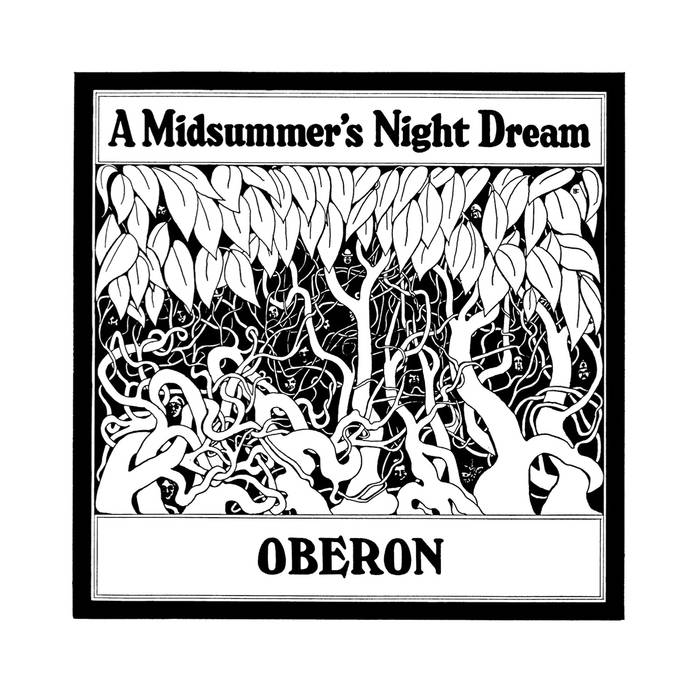
Oberon were students at Radley College boarding school in Oxfordshire who recorded their only album in a couple of classrooms at the start of the school’s 1971 summer holiday. The result was the now semi-legendary A MIDSUMMER’S NIGHT DREAM (a mix up at the pressing plant meant the album was mis-titled) limited in number to a private pressing of 99 copies to avoid paying tax. As you might imagine, it’s no great lost acid-folk classic but it is big on all the usual ingredients - killer flute, guitar, violin, haunting vocals and medieval atmosphere – that combine quite nicely to produce and rustic and atmospheric recording, and at one time its very rarity meant it was a much sought after item by collectors of your acid folk, commanding huge sums at auction. It is not without the odd brilliant track, however, making it worth tracking down (it’s now available as a CD). Minas Tirith, for example, is an eerie and sinister extended psych-folk excursion which suddenly explodes into a bizarre and metallic drum solo that pretty much makes it worth the price of admission alone.

KARLHEINZ STOCKHAUSEN     REGIONEN I UND II


…and to conclude, this week’s show’s get-out-of-gaol-free card Karlheinz Stockhausen, ladies and gentleman, with the closing moments of Regionen II from HYMNEN.